
As the memory crisis grips the tech world, a glimmer of hope emerges on the horizon. The development of DDR6, the next-generation memory standard, is underway, with industry giants Samsung, SK Hynix, and Micron leading the charge. While prices for DDR5 and LPDDR continue to soar due to AI server demand and manufacturers shifting capacity toward higher-margin products, the prospect of DDR6 brings much-needed relief to the market.
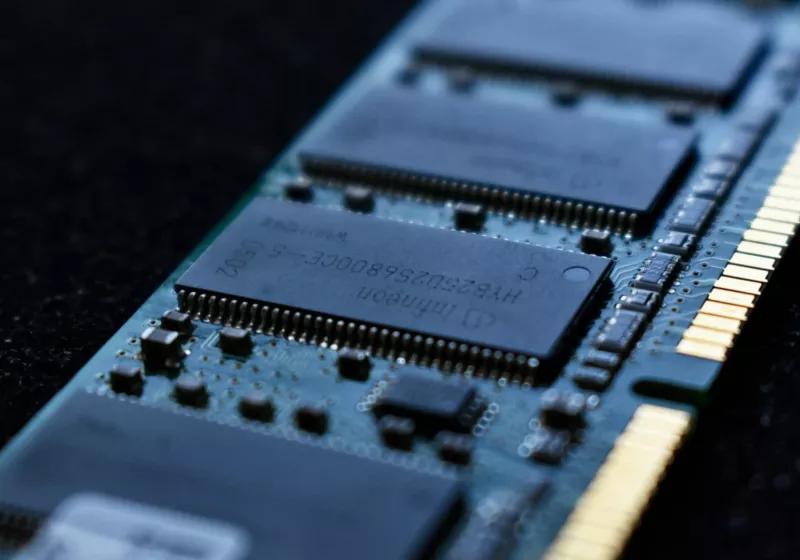
Samsung, Micron, and SK Hynix: DDR6 Leaders
These three memory behemoths have begun working on the development of DDR6, with substrate manufacturers already on board, moving forward with DDR6 production. After receiving shared designs, the companies are coordinating specifications, conducting preliminary development, and building initial prototypes. The Jeju Island-based publication, The Elec, broke the news of the companies' concerted efforts to push DDR6 development forward.
As **industry heavyweights** come together to tackle the DDR6 challenge, the stakes are high. The current market situation, driven by AI-related memory demand, has led to prices skyrocketing. The **memory shortage** triggered by this phenomenon has resulted in **unprecedented levels** of component prices, making DDR6 a beacon of hope for the industry in the midst of a crisis.
What's Coming in DDR6?
The JEDEC drafted the DDR6 standard in late 2024; however, it has not yet been finalized. As a result, some key specifications, including the number of I/O ports, thickness, and signal standards, are still to be determined. This development stage revolves around coordinating detailed specifications based on the designs proposed by each stakeholder.
According to recent reports, DDR6 aims to bring forth significant architectural improvements over DDR5, with baseline speeds beginning at 8,800 MT/s and rising to 17,600 MT/s, more than double the ceiling of current DDR5 speeds. Moreover, the DDR6 upgrade introduces a multi-channel architecture that utilizes four 24-bit sub-channels. This enhanced design will improve **data flow**, **parallel processing**, and **bandwidth efficiency**, but increases the demands on module I/O design and signal integrity.
DDR6 and CAMM2: New Memory Standards
Memory makers are set to leverage the CAMM2 (Chip-Array Multiplex Memory Module) form factor as a critical part of the DDR6 platform, primarily targeting **laptops** and **compact systems**. CAMM2 modules are expected to offer **better performance**, **greater capacity**, and **improved efficiency** than traditional DIMMs and SO-DIMMs. The integration of DDR6 with CAMM2 will open doors to enhanced functionality and data handling capabilities.
While the anticipation surrounding DDR6 is palpable, it is crucial to acknowledge that **cost is a significant factor** in the industry. Initially, DDR6 will likely debut in **servers** and **data centers** where high prices can be borne by customers for the promise of better performance. For mainstream usage, however, the cost issue remains uncertain, and it could be some time before DDR6 becomes truly affordable for **gaming PCs** and **laptops**.
When Can We Expect DDR6?
The commercialization of DDR6 is scheduled for 2028 or 2029. During this time, **substrate supply** and **manufacturer prioritization** will significantly influence the pricing and availability of DDR6. Early kits are expected to carry a steep price premium over DDR5, especially if tight substrate supply continues and AI-related memory products remain a priority.
The journey toward DDR6 represents a concerted effort by the industry to innovate and adapt to emerging demands. By analyzing the developments surrounding DDR6, we can better comprehend the landscape of memory and its far-reaching consequences for the tech world.
In the years ahead, DDR6 holds a promising future, with a profound potential impact on data transmission speeds, AI applications, and the performance of computing devices. As our industry continues to navigate the challenges and trends surrounding memory standards, we will be looking toward DDR6 as a driving force driving innovation in the tech world.
Overall, DDR6 signifies an evolution in memory technology that sets the stage for breakthroughs in computing performance and beyond.Through this process, we will delve into the intricacies of DDR6, exploring its technological significance and future implications on the tech industry. From its development to the deployment of new standards, we will highlight the story of DDR6 and its inevitable influence on the landscape of computing. Let us embark on this fascinating journey and together illuminate the potential of DDR6.
The excitement surrounding DDR6 is multifaceted, reflecting not just a technical evolution but also the potential for meaningful industry trends. We are entering an era of accelerating innovation, where the next generation of memory technology offers profound opportunities for AI, gaming, and data processing.
As DDR6 takes shape, its profound implications extend beyond the immediate scope of memory performance.We will explore these implications throughout our coverage, bringing you the latest insights and analysis on the impact of DDR6 on your digital life.The dawn of DDR6 signifies a turning point for memory technology, as it aims to enhance performance and efficiency. This represents a crucial step forward for industry leaders who will shape the trajectory of memory development, addressing demands for high-performance capabilities in the realm of AI and beyond.
Moreover, the DDR6 development signifies a dynamic shift toward further advancements, which we can anticipate will lead to exponential growth in memory computing capabilities.
With DDR6 development underway, the memory crisis may slowly be easing, as manufacturers work to adapt their designs for this new standard. The industry's push toward DDR6 serves not just as a means to combat the current crisis, but also sets the stage for a future with accelerated memory advancements.
For end-users, this development offers a beacon of hope for lower costs and more efficient computing capabilities. If DDR6 is successful in bridging the performance gap, it will be a major turning point in the evolution of memory technology.
Final Thoughts and Outlook
While there are challenges ahead, the collective efforts of DDR6 stakeholders signal a long-term hope for improved memory performance and reduced costs. The story of DDR6 is far from ending; instead, it represents the beginning of a new era in memory development.
This narrative unfolds as industry collaboration gives rise to DDR6, an extraordinary platform poised to meet emerging market demands. DDR6's potential for performance and efficiency, combined with its ability to adapt to evolving needs, stands to revolutionize computing capabilities.
As DDR6 unfolds, we will delve deeper into the technological details and the far-reaching implications for end-users and tech enthusiasts alike. DDR6's story holds an unparalleled promise, and its widespread adoption will set the stage for accelerated innovation and the redefinition of computational boundaries.
The **bright prospects** of DDR6 lie not only in its technical capabilities but also in its potential to shape the computing landscape of tomorrow. As we embark on this journey with DDR6, let us embrace the immense possibilities it holds for enhancing computing efficiency, **memory capabilities**, and the overall user experience.
Comments
Post a Comment